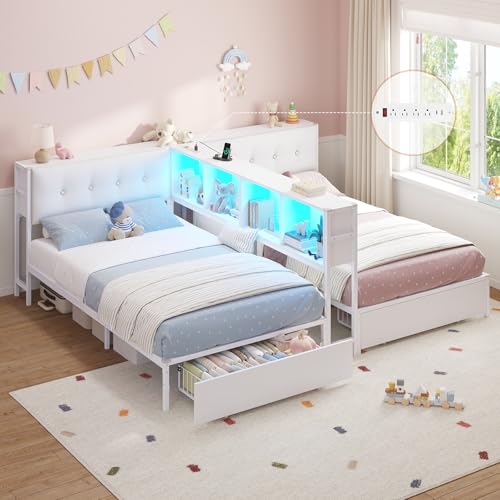
Children's Double Beds with Storage: Complete Buying Guide
Maximize space and keep your child's room organized with a smart storage bed. Our expert guide covers everything you need to know before choosing the perfect children's double bed with built-in storage.
START EXPLORINGWhy Choose a Children's Double Bed with Storage? As children grow, their belongings multiply — from books and toys to clothing and sports gear. A double bed with integrated storage solves two problems at once: it provides a comfortable, spacious sleeping area while creating valuable organizational space. This guide will help you understand the different storage options, safety considerations, and design choices so you can make a confident, informed decision for your family.
Who Is This Guide For?
This guide is written for parents, guardians, and caregivers who are researching a children's double bed with storage before making a purchase. You likely already know you want a double bed — perhaps because your child is transitioning from a single or toddler bed, or because you need a guest-friendly solution for a growing child's room. What you need now is clarity on the storage options, construction quality, safety standards, and spatial requirements that will make your purchase a long-term success. We cover all of that here, in plain language, without unnecessary jargon.
Types of Storage Options in Children's Double Beds
Not all storage beds are created equal. The storage mechanism you choose affects how the bed functions day-to-day, how much space it occupies, and how easy it is for your child to use independently. Here are the main options available:
Under-Bed Drawers
Built-in drawers positioned beneath the bed frame, typically accessible from the side or foot end. These are ideal for clothing, bedding, or toys and often feature smooth-glide runners. Drawer depth varies; deeper drawers suit bulkier items while shallow drawers work well for folded clothes and small toys.
Pull-Out Storage Boxes
Freestanding or integrated boxes that slide out from under the bed. These are often lighter and easier for children to handle than full drawers. Look for models with wheels or glides and fabric or plastic liners for easy cleaning.
Trundle Units with Storage
A secondary bed that rolls out from beneath the main frame — some trundle units include storage compartments alongside the mattress area. This dual-purpose design is excellent for sleepovers and maximizes the utility of the under-bed zone.
Bookcase Headboards
Storage built into the headboard, with shelves and cubbies for books, lamps, and small decor items. This option keeps essentials within arm's reach and adds a furniture-like quality to the bed. It works particularly well in rooms where floor space is limited but vertical space is available.
Lift-Up Ottoman Storage
The entire mattress platform lifts on gas struts to reveal a large, concealed storage area beneath. This offers the most generous capacity of any storage type and is excellent for seasonal bedding, out-of-season clothing, or larger toys. The lift mechanism should be smooth and safely secured.
Combination Storage Designs
Many modern children's double beds combine two or more storage types — for example, drawers on one side and a bookcase headboard, or a trundle plus under-bed drawers. These hybrid designs offer maximum flexibility and are worth considering if you need to accommodate multiple storage categories.
Key Factors to Consider Before Buying
Choosing the right children's double bed with storage requires balancing your child's needs, the room's dimensions, and the bed's long-term durability. Below are the most important factors to evaluate:
1. Room Dimensions and Layout
A standard double bed measures approximately 4 feet 6 inches wide and 6 feet 3 inches long. Before purchasing, measure your room and mark out the bed's footprint on the floor using tape. Crucially, account for the space needed to open drawers or pull out a trundle — you will need clear access of at least 18 to 24 inches on the side where storage is accessed. If your room is tight, consider a children's bed for small rooms or explore contemporary beds with storage that use vertical space more efficiently. For rooms with very limited floor area, a children's bed for small spaces may be a better fit than a full double.
2. Safety and Construction Quality
Safety should never be compromised. Look for beds with rounded edges, non-toxic finishes, and sturdy joinery. Check that the bed meets relevant safety standards for children's furniture. If the bed has a tall headboard or bookcase design, ensure it can be anchored to the wall for stability. Drawers should have stops to prevent them from pulling out completely, and lift-up mechanisms should be fitted with safety locks. Beds made from solid wood or high-grade engineered wood with reinforced fittings tend to offer better long-term durability than lighter alternatives. For related options, you may also consider children's beds with a pull-out bed underneath, which can serve as both storage and guest sleeping space.
3. Storage Accessibility for Children
The best storage is the storage your child will actually use. Drawers with smooth runners, lightweight pull-out boxes, and open cubbies are easier for younger children to manage independently. If your child is transitioning from a toddler bed and still developing organizational habits, prioritize low-friction storage solutions over deep, heavy drawers. For older children, a children's bedroom furniture bunk bed with storage stairs might offer an integrated approach if siblings share a room.
4. Material and Finish
Children's furniture takes a beating. Choose materials that resist scratches, stains, and moisture. Solid pine and oak are durable and age gracefully; painted MDF offers a smooth, easy-to-clean surface but should have sealed edges. Avoid finishes with strong chemical odors, and look for water-based, low-VOC paints where possible. White and light wood finishes are perennially popular for children's rooms because they reflect light and create a sense of space.
5. Bed Size and Mattress Compatibility
Double beds (also called full beds in some regions) use a standard mattress size. Confirm that the bed frame you choose accommodates a standard double mattress and that the storage mechanism does not interfere with mattress fit. If you are also shopping for a mattress, our guide to children's beds with mattress can help you understand bundled options. For standalone mattress advice, see our broader resources on comfortable beds.
Storage Type Comparison at a Glance
Use this table to quickly compare the main storage options based on capacity, accessibility, and best use case. All options are described in relative terms without reference to specific figures or currencies.
| Storage Type | Capacity Level | Accessibility | Best For |
|---|---|---|---|
| Under-Bed Drawers | Moderate | Easy — side or foot access | Clothing, bedding, everyday toys |
| Pull-Out Storage Boxes | Moderate | Very easy — lightweight | Small toys, books, seasonal items |
| Trundle with Storage | Moderate to High | Moderate — requires floor clearance | Sleepovers plus extra storage |
| Bookcase Headboard | Low to Moderate | Very easy — at arm's reach | Books, lamps, small decor |
| Lift-Up Ottoman Storage | High | Moderate — requires lifting | Seasonal bedding, large items |
| Combination Designs | High | Varies by component | Families needing multiple storage categories |
Design and Style Considerations
A children's double bed with storage is a significant piece of furniture that will define the look of the room. Consider the following style and design factors:
- Neutral base, playful accents: Choose a bed in white, light wood, or soft grey, then add personality through bedding, cushions, and accessories. This approach allows the bed to adapt as your child's tastes evolve.
- Low-profile frames: Lower beds are easier for younger children to get in and out of and often feel less imposing in a small room. They also pair well with under-bed storage that remains accessible.
- Integrated lighting: Some storage headboards include built-in reading lights or USB ports — a practical feature for older children who enjoy reading before sleep.
- Coordinated furniture: If you are furnishing the whole room, consider matching the bed with a children's bedside table or a children's white bedside table for a cohesive look.
- Future-proofing: A double bed with storage is a long-term investment. Choose a design that will remain appropriate as your child grows from early childhood into their tween years.
Space Planning Tips for Small Bedrooms
If you are working with a compact bedroom, every inch counts. Here are practical strategies to make a children's double bed with storage work in a smaller space:
- Place the bed against a wall with the storage access side facing the open floor area — this preserves circulation space.
- Choose a bed with storage on the foot end rather than the side if the room is narrow; foot-end drawers often require less lateral clearance.
- Use vertical space: a bookcase headboard or wall-mounted shelves above the bed can supplement under-bed storage without consuming floor area.
- Consider a children's bedroom furniture loft bed if the room is exceptionally small — the raised platform creates a natural storage zone beneath.
- Keep window and door clearances unobstructed; storage beds should not block access to natural light or ventilation.
- For very tight rooms, explore children's bunk beds for small rooms as an alternative that stacks sleeping space vertically.
Ready to Explore Children's Double Beds with Storage?
Browse our curated selection of storage beds designed for children — featuring practical storage solutions, durable construction, and styles that grow with your child.
VIEW RECOMMENDED MODELSMaintenance and Care Tips
To keep your children's double bed with storage in excellent condition for years, follow these simple care practices:
- Dust and wipe the frame regularly with a soft, slightly damp cloth; avoid abrasive cleaners that can dull the finish.
- Vacuum or wipe out drawers and storage compartments monthly to prevent dust buildup and keep stored items fresh.
- Check drawer runners and hinges periodically; tighten any loose screws and apply a silicone-based lubricant to metal glides if they begin to stick.
- For lift-up storage mechanisms, inspect the gas struts annually and follow the manufacturer's guidance on safe operation.
- Rotate the mattress according to the manufacturer's recommendations to promote even wear and extend its lifespan.
- Encourage your child to keep storage areas tidy — labeled boxes or dividers can make organization easier and more fun.
Common Mistakes to Avoid
Even well-intentioned buyers can run into avoidable issues. Keep these pitfalls in mind:
- Not measuring the room first: Always account for open drawer clearance, not just the bed's closed footprint.
- Overlooking mattress thickness: A very thick mattress can interfere with a bookcase headboard or reduce the usable height of a trundle space.
- Choosing style over sturdiness: Prioritize solid construction and safety certifications over purely decorative features.
- Ignoring the child's input: Children are more likely to take care of furniture they feel involved in choosing — let them pick the color or a small design detail.
- Forgetting wall anchoring: Tall headboards and bookcase designs should always be secured to the wall to prevent tipping.
Frequently Asked Questions
What are the benefits of a children's double bed with storage?
What storage options are available for children's double beds?
How do I choose the right size storage bed for my child's room?
Are children's double beds with storage safe?
Can a double bed with storage work in a small bedroom?
How long does a children's double bed with storage typically last?
Final Thoughts
A children's double bed with storage is more than a place to sleep — it is a practical investment in your child's comfort, your home's organization, and the long-term functionality of their bedroom. By considering the storage type, room dimensions, safety features, and material quality discussed in this guide, you can choose a bed that serves your family well for years. Take your time, measure carefully, and involve your child in the decision where appropriate. A well-chosen storage bed supports restful sleep and a tidy room — two things every parent can appreciate.