Dorm Beds: The Complete Buying Guide for Compact Living
Everything students and small-space dwellers need to know about choosing a dorm bed — from loft and bunk configurations to twin XL sizing, storage integration, and long-term durability.
START THE GUIDEWhy Dorm Beds Deserve Careful Thought: A dorm bed is more than a place to sleep — it is the anchor of a compact living space. The right frame frees up floor area, adds storage, and supports healthy rest through years of heavy use. This guide walks you through every decision so you can choose with confidence.
What Makes a Dorm Bed Different?
Dorm beds are engineered for spaces where every square foot counts. Unlike standard bedroom furniture, they prioritize vertical space, modular storage, and ease of assembly. Whether you are furnishing a college residence hall, a studio apartment, or a guest room that doubles as a study, understanding the categories below will help you match the frame to your room and routine.
Most dorm beds fall into four broad families: loft beds that raise the sleeping surface to free floor space below, bunk beds that stack two sleepers vertically, twin XL platform beds that offer extra length without extra width, and storage-integrated frames that combine drawers or shelving with the bed base. Each family serves a different priority — maximizing floor area, hosting two sleepers, accommodating taller occupants, or consolidating belongings.
If you are comparing configurations for a shared room, our guide to twin-over-twin bunk beds explains how stacking works in practice, while those considering a raised single sleeper can explore adult loft beds for a clearer picture of clearance and safety requirements.
The Main Types of Dorm Beds
Choosing the right type starts with an honest assessment of your room dimensions, ceiling height, and how many people will sleep in the space. The table below summarizes the trade-offs at a glance.
| Bed Type | Best For | Space Impact | Typical Tier |
|---|---|---|---|
| Loft Bed | Single sleepers who need floor space below for a desk or seating | Frees the entire footprint beneath the frame | Mid-range |
| Bunk Bed | Two sleepers sharing a compact room | Doubles sleeping capacity in a single footprint | Entry-level to Premium |
| Twin XL Platform Bed | Taller sleepers or anyone wanting extra legroom | Standard twin width with added length | Entry-level to Mid-range |
| Storage Bed Frame | Anyone who needs to consolidate belongings | Uses under-bed volume for drawers or shelving | Mid-range |
| Adjustable Bed Frame | Students with back support needs or medical requirements | Standard footprint with articulated positioning | Premium |
For rooms with low ceilings, a standard loft may not clear the necessary headroom. In that case, bunk beds for low ceilings offer a safer alternative that still stacks two sleepers. If you prefer a frame that can adapt over time, bunk beds that separate into twin beds give you the flexibility to reconfigure as your living situation changes.
Dorm Bed Sizes: Twin vs. Twin XL vs. Full
Size is the single most consequential decision in a dorm setup. A frame that is too wide will crowd the room; one that is too short will compromise comfort for taller sleepers. Here is how the common dorm-relevant sizes compare.
Twin is the traditional dorm standard — compact, easy to fit, and compatible with most residence hall furniture. It suits sleepers under roughly 6 feet tall and works well in rooms where every inch matters.
Twin XL keeps the same width as a twin but adds several inches of length. It is the preferred choice for taller students and is increasingly common in modern residence halls. If you are shopping for a frame that accommodates a twin XL mattress, check the frame's inner dimensions carefully, as not every twin frame accepts the extra length.
Full offers more width and suits single sleepers who want extra room to spread out. A full-size frame can work in a dorm if the room is generous, but it consumes noticeably more floor area. For a deeper comparison of the full-size category, see our guide to full and double beds.
Students who need a frame that supports a specific adjustable mattress setup may benefit from dedicated hardware; our overview of bed frames for split king adjustable beds explains the compatibility considerations that apply across adjustable configurations, including smaller dorm-friendly variants.
Loft Beds and Bunk Beds in Detail
Loft and bunk beds are the workhorses of compact living. Both raise sleeping surfaces vertically, but they solve different problems.
A loft bed elevates a single mattress on a sturdy frame, creating usable floor area underneath. That lower zone can host a desk, a reading chair, storage cubes, or a small seating arrangement. Lofts are ideal for single occupants who want to maximize productivity and storage in a small room. Safety is paramount: look for frames with full-length guardrails, a securely anchored ladder, and a weight rating appropriate for adult use. Our detailed look at adult loft beds covers these specifications in depth.
A bunk bed stacks two sleeping surfaces, doubling capacity without expanding the footprint. Bunks are the natural choice for shared rooms, siblings, and guest spaces. The most common dorm configuration is twin-over-twin, but full-over-full and twin-over-full variants exist for rooms that can accommodate extra width. If you are weighing a full-size configuration, our article on modern full-over-full bunk beds discusses how to balance capacity against floor space.
Storage is often the deciding factor between two otherwise similar frames. Bunks with built-in drawers or shelving keep belongings organized without requiring separate furniture. Explore heavy-duty bunk beds with storage for options built to handle daily use, and bunk beds with storage stairs if you prefer stepped access with integrated compartments.
For rooms that need to serve as both sleeping and study spaces, bunk beds with desks underneath combine the two functions elegantly. If you need even more utility, bunk beds with a desk and pull-out bed add a third sleeping surface for overnight guests.
Storage Solutions That Make Dorm Beds Work Harder
In a small room, the bed is not just furniture — it is infrastructure. Storage-integrated frames turn unused volume into usable organization.
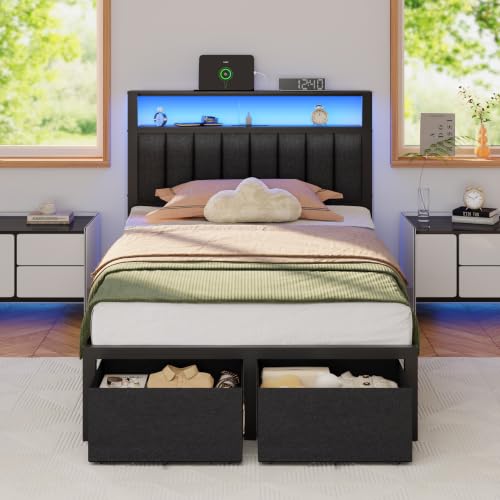
- Under-bed drawers keep clothing, bedding, and supplies out of sight while remaining easy to access. Frames with built-in drawers eliminate the need for a separate dresser.
- Stair storage replaces a simple ladder with stepped access that doubles as shelving or drawer space.
- Shelving units integrated into the frame provide open storage for books and everyday items.
- Trundle units add a concealed second sleeping surface that rolls out only when needed.
If you are furnishing a shared room and want maximum flexibility, trundle bunk beds with mattresses combine stacked sleeping with a hideaway third bed. For single sleepers who want storage without stacking, twin beds with storage and twin beds with drawers underneath are practical alternatives.
Materials, Build Quality, and Durability
Dorm beds endure frequent use, occasional moves, and the wear that comes with shared living. Build quality should be a top priority.
Metal frames are common in institutional settings because they are strong, resistant to pests, and easy to clean. Look for reinforced joints, a rust-proof finish, and a weight rating that comfortably exceeds the intended user's weight. High-grade steel frames with welded connections outperform bolted assemblies over time.
Wooden frames offer warmth and a more residential look. Solid wood and high-quality engineered wood outperform particleboard in longevity. Check that joints are reinforced and that the frame includes a center support rail for larger sizes.
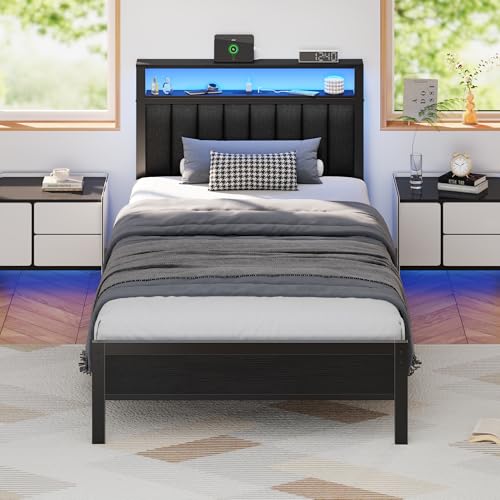
Upholstered frames add comfort and style but require more care in shared spaces. They are best suited to single-occupant rooms where the bed is a focal point rather than a utility piece.
Across all materials, the descriptors below help you compare builds without relying on arbitrary figures:
- Entry-level tier: adequate for light use and short-term housing; simpler joints and lighter gauge materials.
- Mid-range tier: reinforced construction, better hardware, and improved weight ratings; suitable for multi-year use.
- Premium tier: heavy-duty frames, commercial-grade fasteners, and superior finishes; designed for frequent moves and long service life.
For heavier occupants, weight capacity becomes the deciding factor. Our guide to bed frames for heavy people explains which construction details matter most, and heavy-duty full-size bunk beds covers the stacked variant for shared rooms.
Assembly, Portability, and Move-In Day
Dorm life often means moving at least once a year. A frame that assembles and disassembles cleanly saves hours of frustration.
- Tool-light assembly: frames that use hand-tightened knobs or a single hex key are far easier to manage without a full toolbox.
- Labeled hardware: clearly marked parts and a printed instruction sheet reduce assembly errors.
- Compact packaging: flat-packed frames fit through narrow hallways and stairwells more easily.
- Reversible components: frames that can be assembled in multiple orientations adapt better to unfamiliar room layouts.
Wall-mounted and folding designs take portability further. Wall-mounted folding bunk beds fold away when not in use, making them a strong option for multipurpose rooms. For rooms that must serve as study, lounge, and bedroom, a full slide bed offers a similar space-reclaiming benefit.
Mattress Compatibility and Replacement
Dorm bed frames are designed around specific mattress dimensions. Using an oversized or undersized mattress creates gaps, compromises support, and can void a frame's warranty.
Confirm the frame's inner dimensions before purchasing a mattress, and check whether the frame requires a box spring, a bunkie board, or a platform-style base. Many modern dorm frames are platform designs that support a mattress directly, eliminating the need for a box spring. If your existing mattress has reached the end of its life, our guide on when to replace a mattress helps you time the upgrade alongside a new frame purchase.
For shared rooms where two mattresses are needed, buying them together as a set often simplifies sizing and ensures both sleepers receive consistent support.
Safety Checklist for Loft and Bunk Beds
Elevated sleeping surfaces demand extra attention to safety. Before finalizing any loft or bunk purchase, verify the following:
- Guardrails on all open sides of the upper bunk, with a gap no larger than a few inches to prevent entrapment.
- A securely attached ladder with anti-slip steps and a weight rating matching the bed's capacity.
- Ceiling clearance of at least 30 inches above the upper mattress to allow comfortable sitting up.
- Anchoring hardware where the manufacturer recommends wall attachment, especially for loft frames.
- A certified weight rating that exceeds the intended user's weight with a comfortable margin.
- Smooth, splinter-free edges on wooden frames and capped ends on metal tubing.
If you are considering a stacked configuration for adults, our article on queen-size bunk beds for adults reviews the structural requirements that separate adult-rated frames from youth models.
Your Dorm Bed Buying Checklist
Before you commit to a frame, run through this final checklist to confirm you have covered every decision point:
- Measure the room's length, width, and ceiling height, and account for door swing and closet access.
- Confirm the mattress size you need — twin, twin XL, or full — and match it to the frame's inner dimensions.
- Decide whether you need stacked capacity, a raised single sleeper, or a standard-height frame.
- Identify your storage needs and choose a frame with integrated drawers, shelving, or stairs as appropriate.
- Check the weight rating and construction tier against the intended user and expected service life.
- Verify that assembly requires only common tools and that the frame can be disassembled for moves.
- Review safety features — guardrails, ladder attachment, anchoring points — for any elevated design.
- Consider future flexibility: can the frame be reconfigured, separated, or adapted as needs change?
Frequently Asked Questions About Dorm Beds
What is the most common dorm bed size?
Twin XL is the most common size in modern residence halls because it accommodates taller sleepers while keeping the footprint narrow. Traditional twin remains widespread in older buildings. Always measure your room and confirm the frame's inner dimensions before buying a mattress.
Is a loft bed or a bunk bed better for a dorm room?
It depends on how many people will sleep in the room. A loft bed suits a single occupant who wants floor space below for a desk or seating. A bunk bed is the better choice when two people share the room and you need to double sleeping capacity without expanding the footprint.
How much clearance do I need above a loft or upper bunk?
Aim for at least 30 inches between the top of the mattress and the ceiling. This allows a sleeper to sit up comfortably and reduces the risk of head injuries. For rooms with lower ceilings, choose a frame designed specifically for limited headroom.
Can dorm beds support adult weight?
Many modern frames are rated for adult use, but ratings vary widely. Look for frames explicitly described as adult-rated or heavy-duty, and check the stated weight capacity against the intended user. Entry-level frames may be adequate for lighter use, while mid-range and premium tiers offer higher ratings and more durable construction.
Do I need a box spring for a dorm bed?
Most contemporary dorm frames are platform designs that support a mattress directly and do not require a box spring. Some traditional frames still call for one. Check the manufacturer's specification — using a box spring on a platform frame can raise the mattress too high and compromise guardrail safety on bunks.
How do I make a dorm bed comfortable?
Start with a mattress that matches the frame's dimensions, then add a mattress topper for extra cushioning. Use fitted sheets sized correctly for twin or twin XL, and consider a mattress protector to extend the mattress's life in a shared environment. For storage-friendly setups, choose bedding that is easy to launder frequently.
Are bunk beds safe for adults?
Yes, provided the frame is rated for adult weight and includes proper guardrails and a securely attached ladder. Adult-rated bunks use heavier-gauge materials and reinforced joints compared with youth models. Always follow the manufacturer's assembly and anchoring instructions.
Final Thoughts
The right dorm bed transforms a cramped room into a functional, restful space. Prioritize accurate measurements, a frame that matches your mattress size, and construction quality appropriate to daily use. If you share the room, stacking configurations deliver the most capacity; if you live alone, a loft or storage-integrated frame frees floor space for study and relaxation. With the checklist above and a clear picture of your room's constraints, you can choose a dorm bed that serves you well through every semester and every move.