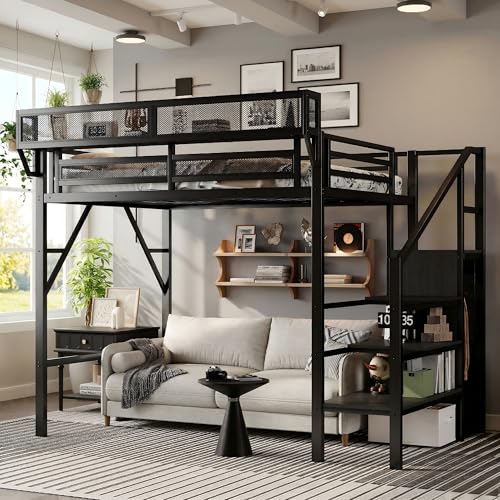
Twin XL Bunk Beds with Storage: The Complete Guide
Maximize your bedroom space without sacrificing comfort. Learn how twin XL bunk beds with built-in storage combine extra sleeping length, smart organization, and durable design — ideal for teens, dorms, guest rooms, and small apartments.
A twin XL bunk bed with storage solves a very specific problem: it gives you the extra length of a twin XL mattress while reclaiming the floor space that a traditional bunk bed setup would otherwise consume. For anyone researching this category, the appeal is clear — twin XL bunks fit growing teens, taller adults, and college dorm standards, and the added storage (drawers, stair compartments, under-bed cubbies) turns wasted vertical space into practical organization.
This guide walks you through everything you need to know before choosing a model: how twin XL dimensions differ from standard twin, which storage configurations exist, what construction details matter for safety and longevity, and how to match a bunk bed to your room and sleeper profile. By the end, you should feel confident comparing options and picking the right fit for your home.
Quick context: A twin XL mattress measures roughly 38 inches wide by 80 inches long — five inches longer than a standard twin. That extra length is why twin XL bunks are common in dormitories and are a smart choice for teenagers who are still growing.
What Exactly Is a Twin XL Bunk Bed with Storage?
A twin XL bunk bed with storage is a stacked sleeping structure where at least one — often both — sleeping platforms accept a twin XL mattress, and the frame integrates dedicated storage space. The storage typically appears in one or more of these forms:
- Under-bed drawers: Pull-out drawers beneath the lower bunk for clothing, bedding, or toys.
- Storage stairs: Staircase steps that double as compartments, common on loft-style and higher bunks.
- Built-in shelving or cubbies: Open or closed niches along the frame, headboard, or guardrail side.
- Under-bed clearance: Open space sized for storage bins or rolling carts.
Because the twin XL platform is longer than a standard twin, the frame itself is longer, which often creates more usable storage depth along the sides. That is one reason twin XL bunk beds with storage are especially popular in rooms where every inch counts.
Why Choose Twin XL Over Standard Twin for a Bunk Bed?
The main argument for twin XL is length. A standard twin mattress is about 75 inches long, which can feel cramped for anyone above average height. Twin XL adds five inches of length while keeping the same 38-inch width, so the bed footprint grows only in one direction — usually along the wall, where it matters less.
This makes twin XL bunk beds a natural fit for:
- Teenagers and young adults who have outgrown standard twin length.
- College dorm rooms, where twin XL is the standard mattress size.
- Guest rooms that need to accommodate a range of adult visitors.
- Small apartments where a bunk bed doubles as a space-saving furniture piece.
If you are comparing bunk bed sizes more broadly, our guide to twin size bunk beds covers standard twin configurations, while twin XL beds for sale gives a wider view of single-level twin XL options.
Storage Configurations: Which Layout Fits Your Room?
Storage is the defining feature of this category, so it helps to understand the main layouts before you shop. Each configuration trades off floor space, accessibility, and assembly complexity differently.
| Storage Layout | Best For | Key Consideration |
|---|---|---|
| Under-bed drawers | Clothing, bedding, everyday items | Needs clearance in front of the bed to open fully |
| Storage stairs | Higher bunks and loft configurations | Safer climbing than a ladder; adds depth to the footprint |
| Built-in cubbies / shelves | Books, decor, small accessories | Open storage collects dust; closed doors hide clutter |
| Open under-bed clearance | Rolling bins, carts, seasonal storage | Most flexible but least finished-looking |
If stairs appeal to you, our overview of bunk beds with storage stairs digs into how compartment stairs are built and what to check for. For drawer-based layouts, twin beds with drawers underneath explains the mechanics of pull-out drawer systems.
Loft and High Bunk Variations
Many twin XL storage bunks are technically loft beds — the upper platform is raised high enough to create a usable area below. Some models place a desk or seating nook under the loft, while others reserve the entire lower zone for storage. If you want a dedicated workspace as well, bunk beds with desks under them and bunk beds with desk and pull-out bed cover those hybrid designs.
Construction and Safety: What to Look For
Bunk beds carry weight and are climbed on daily, so construction quality matters more than in almost any other furniture category. When comparing twin XL bunk beds with storage, focus on these structural details:
Frame Material and Weight Capacity
Metal frames with high-grade steel and reinforced joints tend to offer the most consistent strength for the upper bunk. Wooden frames can be equally sturdy when built from solid hardwood rather than particleboard. Look for published weight capacities for both the upper and lower platforms — reputable manufacturers state these clearly. If durability under heavier loads is a priority, our guide to heavy-duty bunk beds with storage explains the reinforcement features that matter.
Guardrails and Ladder or Stair Safety
Upper bunks should have guardrails on all open sides, with a gap small enough to prevent a child from slipping through but large enough to allow easy entry. Ladders should be firmly attached, with flat, non-slip rungs. Storage stairs are generally safer for younger users because they provide a wider stepping surface and often include a handrail.
Storage Hardware
Drawer glides are the most common failure point on storage bunks. Metal ball-bearing glides with a smooth full-extension action are more durable than simple plastic runners. On stair storage, check that compartment doors or lids have hinges that hold position and do not slam shut.
Practical tip: Measure your ceiling height before choosing a high bunk or loft. Leave enough headroom above the top mattress for a seated person, and confirm the assembled height fits under any ceiling fan or light fixture.
Matching a Twin XL Storage Bunk to Your Sleeper and Room
The right configuration depends on who sleeps where and how the room is used during the day.
For Teens and Young Adults
Twin XL length addresses the most common complaint about bunk beds — feet pressing against the footboard. A model with under-bed drawers keeps clothing organized without a separate dresser, which frees up wall space for a desk or seating. If the room is shared, look for models where both platforms accept twin XL mattresses so neither sleeper gets a shorter bed.
For Guest Rooms and Dorms
In guest rooms, twin XL bunks with storage stairs read as more furniture-like and are easier for older visitors to use than a vertical ladder. Dorm-style setups often benefit from open under-bed clearance that accepts standard storage bins. Our dorm beds guide covers the specific requirements dorm housing tends to impose.
For Small Bedrooms and Apartments
When floor area is the constraint, a twin XL bunk with storage effectively replaces a bed, a dresser, and sometimes a shelving unit. Pair it with compact bedside solutions — white bedside table with storage or a bedside table with USB port — to keep the room functional without adding bulk. For broader layout ideas, see small bedroom decor.
How Twin XL Storage Bunks Compare to Alternatives
Before committing, it is worth checking whether a different bunk configuration fits your needs better. Twin XL is not the only option, and the storage feature appears across several bunk categories.
- Standard twin bunks: Shorter and often less deep, which can suit smaller children. See twin size bunk beds.
- Twin-over-full bunks: A full lower bed offers more width for couples or guests. Compare in twin over full bunk beds.
- Trundle bunks: A hidden third bed instead of drawers. Covered in trundle bunk beds with mattresses and trundle beds with storage.
- Bunks that separate: Two independent beds later on. See bunk beds that separate into twin beds.
- Low-profile bunks: Better for rooms with low ceilings. Covered in bunk beds for low ceilings and low-profile bunk beds for adults.
If you are furnishing a room for adults rather than children, our guides to queen size bunk beds for adults and custom made bunk beds for adults show how the same storage logic scales up.
Mattress Considerations for Twin XL Bunks
Twin XL mattresses are widely available, which is one of the practical advantages of this size. A few points matter specifically for bunk use:
- Thickness: A very thick mattress can raise the sleeper above the guardrail on the upper bunk. Check the manufacturer's recommended maximum mattress height.
- Firmness: Bunk mattresses are often used by growing sleepers, so medium-firm is a common safe default. Side sleepers may prefer a softer top layer.
- Replacement timing: Bunk mattresses take daily use and may compress faster than single-bed mattresses. Our guide on when to replace a mattress helps you judge the right moment.
Buying Checklist Before You Decide
Use this checklist to compare twin XL bunk beds with storage on equal terms:
- Confirm both platforms accept twin XL mattresses, or note which one is standard twin.
- Measure ceiling height, room footprint, and the clearance needed for drawers or stairs to open.
- Check published weight capacities for upper and lower bunks.
- Verify guardrails cover all open sides of the upper bunk.
- Inspect drawer glide type and stair hinge quality if storage is included.
- Confirm assembly requirements — some models ship in multiple boxes and need two people.
- Consider future flexibility: can the bunk convert to separate beds or a loft?
Editorial note: Storage features add convenience but also add assembly steps and potential wear points. Prioritize frame strength and safety hardware first, then choose the storage configuration that matches how you actually organize the room.
Frequently Asked Questions
Is a twin XL bunk bed the same as a loft bed?
Not necessarily. A bunk bed has two sleeping platforms stacked vertically. A loft bed raises one platform to create usable space underneath, which may be storage, a desk, or seating. Many twin XL storage bunks are hybrid designs that function as both.
Can adults use twin XL bunk beds?
Yes, provided the frame's published weight capacity supports adult users and the room has adequate ceiling height. Twin XL length suits most adults better than standard twin. For adult-focused options, see adult loft beds for adults.
How much storage do under-bed drawers typically hold?
Drawer depth and width vary by model. Most twin XL under-bed drawers are sized for folded clothing, bedding, or shoes. Check the internal drawer dimensions listed by the manufacturer rather than relying on exterior measurements.
Are storage stairs safer than a ladder?
For most users, yes. Stairs provide a wider stepping surface and often a handrail, which reduces the risk of slips. They do require more floor depth than a ladder, so measure the footprint carefully. See twin size bunk beds with stairs for related layouts.
Can a twin XL bunk bed be disassembled and moved?
Most models can be disassembled, but storage-integrated frames have more parts. Keep the assembly instructions and hardware organized, and plan for two people during disassembly and reassembly.
What mattress thickness works best on the upper bunk?
Follow the manufacturer's maximum recommended mattress height so the guardrail remains effective. In general, a mattress around 6 to 8 inches thick is a common choice for bunk use, but always defer to the frame's specification.