Bedroom Furniture Deals: A Smarter Way to Furnish Your Sleep Space
Furnishing a bedroom is not about chasing the lowest offer. It is about matching the right tier of furniture to how you actually live, sleep, and store your things. This guide breaks down bedroom furniture deals by quality tier so you can choose with confidence.
Explore Recommended PicksWhy this guide matters: Most shoppers researching bedroom furniture deals already know roughly what they want—a bed frame, a dresser, a nightstand, maybe a storage bench. What they need is a framework for telling good deals apart from poor ones. Instead of chasing numbers, this guide uses universal quality tiers—entry-level, mid-range, premium, and luxury—so the advice stays useful no matter when you read it.
Understanding Bedroom Furniture Tiers
Bedroom furniture deals are easier to evaluate when you separate construction quality from marketing language. The four tiers below reflect where a piece sits in the market relative to others in its category. Use them as a shopping lens, not as a rigid label.
Starter Tier
Best for guest rooms, dorm setups, first apartments, and light-use spaces. Expect engineered wood, simplified joinery, and fewer reinforced fittings. A solid choice for the tier when the goal is basic function.
Balanced Tier
The sweet spot for most households. Mid-range pieces usually add sturdier frames, better hardware, and more consistent finishes. Well-specified for the category and a good long-term investment for daily adult use.
High-End Tier
Built for heavier use, higher weight capacity, and refined detailing. Premium furniture often uses solid wood components, reinforced joinery, and durable coatings that hold up over years of daily use.
Flagship Tier
Top-tier craftsmanship with premium materials, careful finishing, and often bespoke sizing or upholstery options. Suited to buyers who want a long-term centerpiece and are willing to invest accordingly.
Tier tip: A deal is only a deal if the tier matches your use case. An entry-level frame in a guest room can be a smart pick, while the same tier in a master bedroom with heavy daily use may not hold up. Match the tier to the room's job.
The Core Pieces Worth Prioritizing
When you are comparing bedroom furniture deals, focus on the pieces that do the most structural work first. These are the items that affect comfort, storage efficiency, and the overall feel of the room.
- Bed frame: The foundation of the room. Prioritize stable construction, reinforced slats or rails, and a weight capacity suited to the sleeper. Browse bed frames to compare styles and construction types before you commit.
- Nightstand or bedside cabinet: Small in footprint, big in daily usefulness. A well-chosen bedside cabinet keeps essentials within reach and anchors the visual balance of the bed.
- Dresser or chest of drawers: Storage efficiency matters. Look for smooth-glide drawers, reinforced bases, and a footprint that fits your room. A matching dresser and bedside table set can simplify the buying process.
- Storage bench or drawers: Extra storage without extra floor space. A bedroom bench at the foot of the bed adds seating and a place for blankets or pillows.
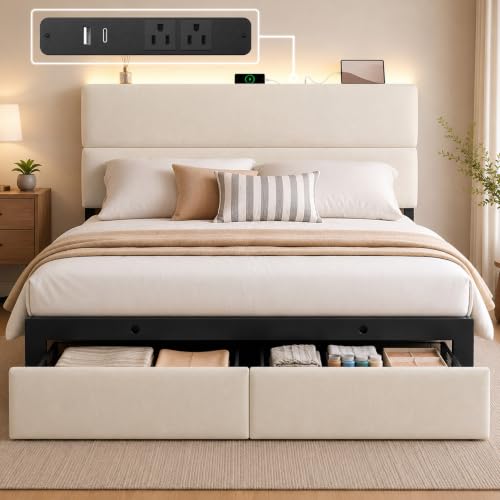
- Bed with integrated storage: If space is tight, consider a bed with storage or a bed that includes built-in storage to make the most of the room.
Tier Comparison at a Glance
Use this table to quickly compare what each tier typically offers across the main furniture categories. It is a relative guide, not an absolute rule.
| Category | Entry-Level | Mid-Range | Premium / Luxury |
|---|---|---|---|
| Bed Frame | Simplified joinery, lighter slats | Reinforced frame, sturdier slats | Solid wood components, high weight capacity |
| Nightstand | Basic drawer glides, compact footprint | Smooth-glide drawers, durable finish | Refined detailing, premium hardware |
| Dresser | Standard drawer boxes, lighter base | Reinforced base, better runners | Solid construction, premium finishes |
| Storage Bench | Light upholstery, basic lid | Sturdy frame, durable fabric | Premium upholstery, reinforced hinges |
| Bedroom Rug | Standard pile, lighter density | Balanced density, durable backing | High-density weave, premium fibers |
A Smart Framework for Evaluating Bedroom Furniture Deals
Deals are easiest to judge when you separate the marketing from the material facts. Use the framework below before you commit to any piece.
- Check the material specification: Solid wood, high-grade engineered wood, and reinforced composites generally outperform basic particleboard in daily-use settings.
- Review the joinery and hardware: Reinforced corner blocks, cam-and-dowel systems, and metal drawer runners are signs of a piece built for repeated use.
- Confirm the weight capacity: For beds, this matters most. If multiple adults or heavier sleepers use the bed, move up a tier. See beds for heavy people and beds with high weight capacity for options built for the job.
- Think about the room's footprint: A mid-range piece that fits your space beats a premium piece that crowds it. For compact rooms, explore beds for small rooms and storage beds for small rooms.
- Plan the full set: Coordinated furniture reduces visual clutter. A bed with matching bedside tables or a bedroom set for adjustable beds can simplify decision-making.
Deal-check habit: Before you commit, ask three questions. Does the tier match how the room is used? Are the materials and joinery clearly specified? Does the piece fit the space and the people who will use it? If all three answers are yes, the deal is worth considering.
Common Mistakes When Shopping for Bedroom Furniture Deals
- Buying the full set at once without measuring: Confirm room dimensions and door widths before ordering, especially for larger dressers and bed frames.
- Ignoring the mattress compatibility: If you use an adjustable base, choose a compatible frame. See beds compatible with adjustable base and bed frames that fit adjustable beds.
- Overlooking storage: If you need more storage than a single dresser provides, consider beds with drawers underneath or a bed with lift-up storage.
- Choosing style over structure: A beautiful finish on a weak frame is still a weak frame. Prioritize construction and then choose the style you love.
- Skipping the read-through: Always read the material list, assembly requirements, and warranty terms before you buy.
Room-by-Room Recommendations
Different rooms call for different tiers and configurations. Use these starting points to narrow your search.
- Master bedroom: Aim for mid-range or premium. Prioritize a stable bed frame, a full-size dresser, and matching nightstands. If you want an integrated look, a complete bedroom furniture set can save time and keep the style consistent.
- Guest room: Entry-level or mid-range works well. A bed with bedside tables is a practical, space-efficient choice.
- Teen or youth room: Durability matters more than style trends. Explore beds for teenagers and consider a storage bed for books, bedding, and gadgets.
- Small apartment or studio: Prioritize multi-function pieces. A bed with a desk or bed with under-bed storage can make a compact room feel workable.
- Kids' room: Focus on safety and durability. See beds for 3-year-olds and beds with a trundle for sleepover flexibility.
Finishing Touches That Make the Tier Work Harder
Furniture is the structure, but the finishing layers make the room feel complete. Once the core pieces are in place, these additions help the room function and feel better.
- Bedding and linens: Choose breathable, durable fabrics. Explore bedding and linens to find the right weave and weight for your climate.
- Rugs: A rug anchors the room and adds warmth. Browse bedroom rugs for sizes and pile options.
- Bed skirts and spreads: These add a finished look and can protect the mattress. See queen bed spreads and bed skirts for twin beds.
- Decor: Layer in bedroom decor only after the essentials are settled. Decor is the easiest place to overspend without improving sleep.
Frequently Asked Questions
How do I choose the right tier of bedroom furniture for my needs?
Match the tier to your usage and durability needs. Entry-level suits guest rooms and light use, mid-range works well for daily adult use, and premium or luxury tiers suit long-term investment and higher weight capacity requirements.
Which bedroom furniture pieces should I prioritize first?
Start with the bed frame and mattress foundation because they affect sleep quality and support. Add a nightstand and dresser next, then introduce storage benches, rugs, and decor once the core pieces are in place.
How can I evaluate build quality without seeing the furniture in person?
Check the material specification, joinery type, weight capacity, finish durability, and warranty terms. Look for reinforced hardware, solid wood or high-grade engineered wood, and rust-proof or weather-resistant finishes where relevant.
Are bedroom furniture sets worth considering?
Sets can simplify the buying process and keep the style consistent across the room. They are a solid choice when you want a coordinated look without spending time matching individual pieces. Compare the material specification of the set against individual pieces before you decide.
What should I check before buying a bed frame for an adjustable base?
Confirm that the frame is compatible with adjustable bases and that the slat or platform system supports the base's movement. Explore beds that accommodate adjustable bases and beds for adjustable bed frames before you commit.
Final Thoughts
Bedroom furniture deals are not about finding the lowest offer on the page. They are about finding the right tier of furniture for the way you live. Start with the bed frame, build outward through storage and seating, and let the tier guide you toward the pieces that will hold up over time. When the tier, the materials, and the room's footprint line up, you have found a deal worth acting on.
If you are still narrowing down the bed itself, our bed frames guide and beds for sale pages are good next reads. And if you are furnishing a compact space, the beds for studio apartments guide covers the layout basics.